נותנים לבעלי חיים במשקים שם ופנים

רקפת כהן בן-אריה ואלירן הלאלי

בפוסט זה, אנו מספקים סקירה כללית של המאמר המדעי האחרון שלנו,"נותנים שם ופנים לחיות משק: גיוס תמיכה לבעלי חיים מצד אוכלי כל באמצעות אפקט הקורבן המזוהה" שפורסם בכתב העת Journal of Environmental Psychology. אנו מתעמקים בממצאי המחקר שלנו עם ד"ר אלירן הלאלי, ומדגישים את היתרונות של סיפורו של קורבן מזוהה יחיד ואת ההשלכות שלו על מחקר עתידי בנושא זכויות בעלי חיים.

מבוא

בעידן בו איננו תלויים יותר בחלבון מן החי ויכולים לשרוד ואף לשגשג על תזונה מהצומח – תזונה שזוכה להכרה יותר ויותר בבריאותה (מלינה, קרייג ולוין 2016) ויתרונותיה הסביבתיים (Ranganathan et al. 2016), המחקר שלנו "נותנים לבעלי חיים במשקים שם ופנים" בוחן גישה ייחודית לגיוס תמיכה בבעלי חיים. אנו חוקרים האם אפקט הקורבן המזוהה, תופעה מתועדת היטב בעידוד התנהגות פרו-חברתית (Small and Loewenstein, 2003), מאפשר לקדם אמפתיה ופעילות למען חיות משק מצד אוכלי כל.

אפקט הקורבן המזהה

מחקרים קודמים הראו שסיפור על קורבן מזוהה יחיד הינו מעורר יותר רגש והתנהגות פרו-חברתית בהשוואה למידע על קורבנות אנונימיים או סטטיסטיים (Jenni and Loewenstein 1997; Small, Loewenstein, and Slovic 2007; Kogut and Ritov 2005b, [a] 2005). תופעה זו, המכונה אפקט הקורבן המזהה, למרות שבדרך כלל מלווה בתמונה או סרטון של הקורבן המזוהה, מעידה על כך שאפילו זיהוי מינימלי יכול להגביר משמעותית את האכפתיות והתרומות (Small and Loewenstein 2003). המחקר שלנו מרחיב את המושג הזה, בוחן את יישומו בקידום בעלי חיים, ובעיקר, האם ניתן לעורר חמלה כלפי חיות משק בקרב אוכלי כל.

אפקט בעל החיים המזוהה

המחקר על השפעת הקורבן המזוהה, שהתמקד בעיקר במקבלי עזרה אנושיים, הורחב רק לאחרונה לקורבנות בעלי חיים. מחקרים בחנו את ההשפעה הזו עם בעלי חיים בסכנת הכחדה ומשבר אקלים (Markowitz et al. 2013; Hsee and Rottenstreich 2004). מחקרו של מרקוביץ (2013) גילה כי אנשים שאינם אקולוגיים נוטים יותר לתרום לקורבן בעל חיים מזוהה יחיד, כגון פנדה מאשר לקבוצה. עם זאת, השפעה זו לא הייתה כה בולטת בקרב אנשים אקולוגיים, אולי בשל כוונותיהם הפרו-חברתיות הגבוהות ממילא. ממצאים אלו מצביעים על כך שאפקט הקורבן המזוהה יכול להוות גורם מכריע בהסברה למען בעלי חיים, המדגישה את ההשפעה הייחודית של חיבור רגשי לבעל חיים מזוהה יחיד.

המחקר שלנו מאתגר באופן ייחודי את אפקט הקורבן המזוהה על ידי התמקדות באוכלי כל, שהם הסיבה שהקורבן זקוק לעזרה מלכתחילה.

שיטה

המשתתפים נחשפו להתערבות ניסויית וענו על שאלונים.

התערבות

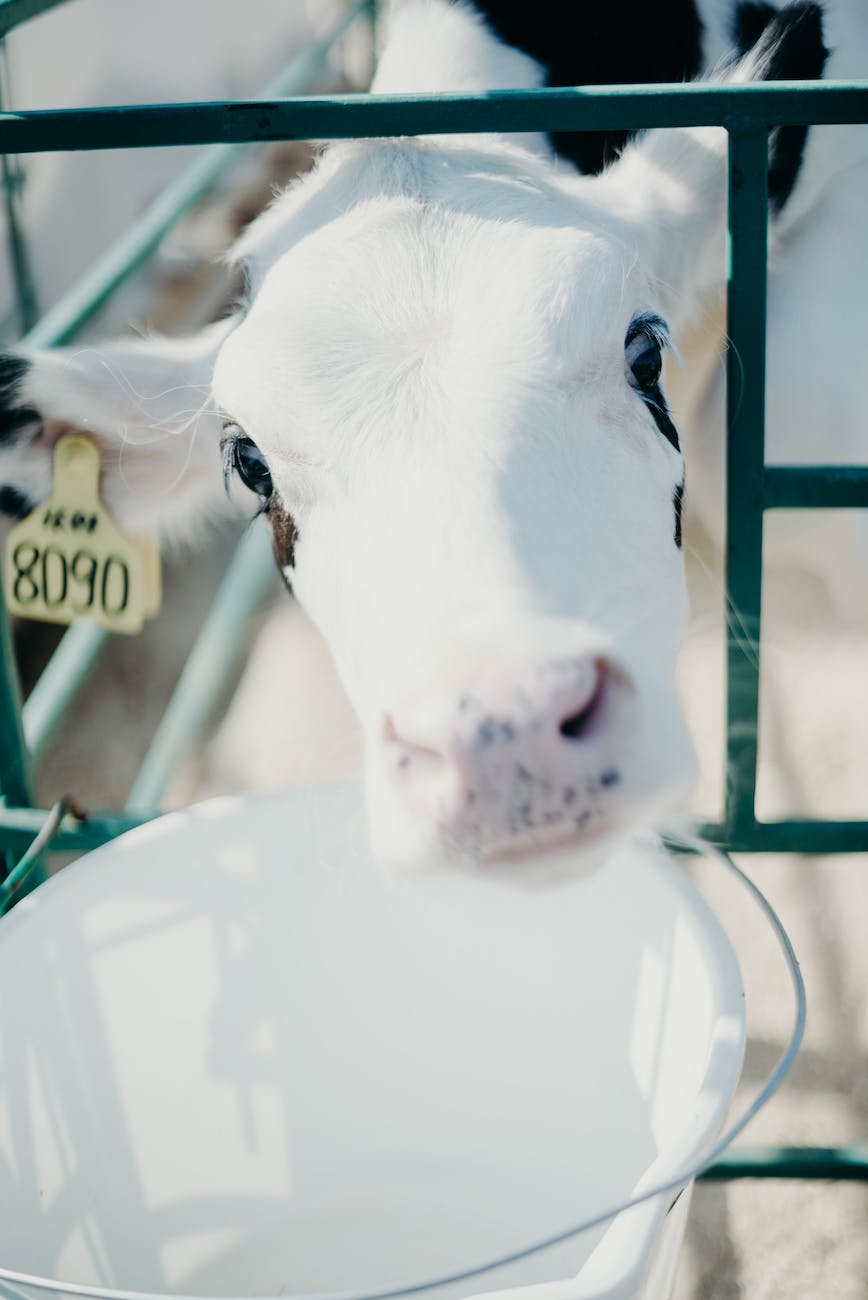
הסיפור של לאקי. באמצעות השראה ממקרים מהחיים האמיתיים, התמקדנו בלאקי, עגל בדיוני שקיבל שם ופנים (תמונה), או עגלים לא מזוהים ללא שם ופנים.

מנגנונים פוטנציאליים

סימפתיה. לדוגמה, "הסיפור של לאקי (חיות המשק) עשה אותי עצוב מאוד."

מצוקה אישית. לדוגמה, "הרגשתי אהדה כלפי לאקי (חיית המשק)."

אמביוולנטיות כלפי בשר. לדוגמה, "אני מרגיש קרוע בין שני הצדדים של אכילת בשר."

תנאים פוטנציאליים

דאגה. לדוגמה, "כשאני רואה שמנצלים מישהו, אני מרגיש סוג של צורך להגן עליו."

אימוץ פרספקטיבה. לדוגמה: "אני מאמין שיש שני צדדים לכל שאלה ומנסה להסתכל על שניהם."

אמפתיה. לדוגמה: "אם אני רואה מישהו חרד, גם אני אתחיל לחוש חרדה."

הזדהות עם בעלי חיים. מורכבת מסולידריות עם בעלי חיים (לדוגמה, "אני מרגיש מחויב לבעלי חיים"), דמיון לבעלי חיים (לדוגמה, "יש לי הרבה במשותף עם בעל החיים הממוצע") וגאווה בהיותי בעל חיים (לדוגמה, "באופן כללי, אני מרגיש טוב כשאני חושב על עצמי כבעל חיים").

זהות אקולוגית. מורכבת מדמיון (לדוגמה: "אני אדם שמחובר מאוד לטבע ולסביבה"), בידול (לדוגמה: "אני מזדהה עם אנשים שמטילים ספק בהתחממות כדור הארץ," מקודד הפוך, לא נכלל בניתוח סופי), ומרכזיות (לדוגמה: "סביר להניח שאדבר על חיות בר, טבע או סביבה עם חברים לכיתה או עמיתים לעבודה").

תוצאות

נכונות לחתום ולשתף על עצומה

ניסוי 1 הציג עצומה היפותטית הקוראת להציל את לאקי משחיטה. אוכלי כל שקראו את הסיפור על לאקי (ולא על העגלים) היו מוכנים יותר לחתום ולשתף עצומה.

זו הייתה סימפתיה ולא מצוקה אישית שהסבירה את ההשפעה.

חתימה בפועל על עצומה ותמיכה בה

ניסוי 2 שחזר את התוצאות של ניסוי 1 עם התנהגות בפועל. משתתפים חתמו לעתים קרובות יותר עצומה אמיתית כדי להציל את Lucky (ולא עגלים) וציינו תמיכה גבוהה יותר בעצומה.

אוכלי כל שקיבלו ציון גבוה בדאגה ונמוך באמפתיה והזדהות עם בעלי חיים (ייתכן שהיה להם יותר מקום לשיפור) היו רגישים יותר להשפעה.

תרומות בפועל

ניסוי 3 הרחיב את הממצאים שלנו על ידי הפרדת אפקט הקורבן המזוהה (השפעה של שם ופנים) מסינגולריות (השפעה של קורבן יחיד), בנוסף לשינוי המשתנה התלוי מחתימה על עצומה לתרומות בפועל. משתתפים תרמו לעתים קרובות יותר וסכום גבוה יותר כאשר נחשפו לקורבן מזוהה יחיד לעומת קורבנות לא מזוהים או מספר קורבנות.

אמביוולנטיות כלפי בשר הסבירה את התופעה.

אוכלי כל שקיבלו ציון גבוה בזהות אקולוגית היו רגישים יותר לתופעה.

מגבלות והשלכות מעשיות

המגבלות כוללות אחוז גדול באופן מפתיע של צמחונים וטבעונים במדגמים שלנו.

עם זאת, המחקר שלנו מצביע על כך שדרך יעילה יותר לעורר רמות גבוהות יותר של סימפתיה, אמביוולנטיות כלפי בשר ועזרה לבעלי חיים עשויה להיות הצגת קורבן מזוהה יחיד כמו לאקי, העגל בן השנה.

הפניות

Hsee, Christopher K., and Yuval Rottenstreich. 2004. “Music, Pandas, and Muggers: On the Affective Psychology of Value.” Journal of Experimental Psychology. https://doi.org/10.1037/0096-3445.133.1.23.

Jenni, Karen E., and George Loewenstein. 1997. “Explaining the ‘Identifiable Victim Effect.’” Journal of Risk and Uncertainty 14: 235–57.

Kogut, Tehila, and Ilana Ritov. 2005a. “The Singularity of Identified Victims in Separate and Joint Evaluations.” Organizational Behavior and Human Decision Processes. https://doi.org/10.1016/j.obhdp.2005.02.003.

———. 2005b. “The ‘identified Victim’ Effect: An Identified Group, or Just a Single Individual?” Journal of Behavioral Decision Making 18 (3): 157–67.

Markowitz, Ezra M., Paul Slovic, Daniel Västfjäll, and Sara D. Hodges. 2013. “Compassion Fade and the Challenge of Environmental Conservation.” Judgment and Decision Making 8: 397–406.

Melina, Vesanto, Winston Craig, and Susan Levin. 2016. “Position of the Academy of Nutrition and Dietetics: Vegetarian Diets.” Journal of the Academy of Nutrition and Dietetics 116 (12): 1970–80.

Ranganathan, Janet, Daniel Vennard, Richard Waite, Patrice Dumas, Brian Lipinski, and Tim Searchinger. 2016. “Shifting Diets for a Sustainable Food Future.” International Food Policy Research Institute (IFPRI). https://doi.org/10.13140/RG.2.1.3808.2961.


Small, Deborah A., and George Loewenstein. 2003. “Helping a Victim or Helping the Victim: Altruism and Identifiability.” Journal of Risk and Uncertainty 26 (1): 5–16.

Small, Deborah A., George Loewenstein, and Paul Slovic. 2007. “Sympathy and Callousness: The Impact of Deliberative Thought on Donations to Identifiable and Statistical Victims.‏.” Organizational Behavior and Human Decision Processes 102(2): 143–53.

Special for 2024 – a productivity hack: don't break the chain

Here is my productivity hack:
Set a daily reminder. Remember, the key is to 'not break the chain' – aim to maintain a continuous streak.

I like to use apps that support streaks like Loop Habit Tracker (for work-related streaks), Duolingo (for language learning), Seven (for exercise), Headspace (for meditation), and Daily Dozen (for vegan nutrition).

Happy New Year!

You are what you eat – a twin experiment

Happy Veganuary! 🌷💖🌷
An exciting new documentary series just premiered on Netflix, highlighting the potential health benefits of plant-based diets.

This series features a fascinating experiment with identical twins who alter their diets and lifestyles for eight weeks.

Described as a unique scientific exploration, it aims to examine the impact of different foods on the body. Specifically, it compares the effects between diets that include meat and dairy and those that are exclusively plant-based.

Now on Kudos – Giving farm animals a name and a face: using the identifiable victim effect

Our study is on Kudos!

Giving farm animals a name and a face: using the identifiable victim effect

Omnivores showed greater willingness to sign and share a petition to save an identified runaway calf (presented with a name and a picture) from slaughter than to save several unidentified runaway calves. Additionally, they were more inclined to sign and support an actual petition and make an actual donation when the victim was a single identified one.

Sympathy and ambivalence mediated the effect, whereas concern, empathy, identification with animals, and ecological identity moderated it.

This is the first study to present the unique challenge of harnessing people who are at least partially responsible for the victim's outcome.

Meatless Monday is everywhere. How is it going?


Meatless Monday's recent study revealed significant changes among its participants.

– They were 10 times more likely to reduce meat consumption beyond one day a week and 2 times more likely to cut out meat entirely.

– Furthermore, they were 8 times more likely to try meatless recipes at home and 3 times more likely to choose meatless meals when dining out.

– Notably, participants who received the Meatless Monday newsletter for over a year were 2 times more likely to eliminate meat from their diet compared to those who subscribed for less than a year.

A separate report revealed that Sodexo North America's Meatless Monday health and wellness initiative, after one year of implementation, was well-received and effective in encouraging customers to opt for more plant-based meals.

– The survey, which included 245 food service sites across 38 states, reported that over 50% of the sites experienced increased vegetable sales, and 24% observed a reduction in meat option selections by customers.

Looks like Meatless Monday is here to stay!

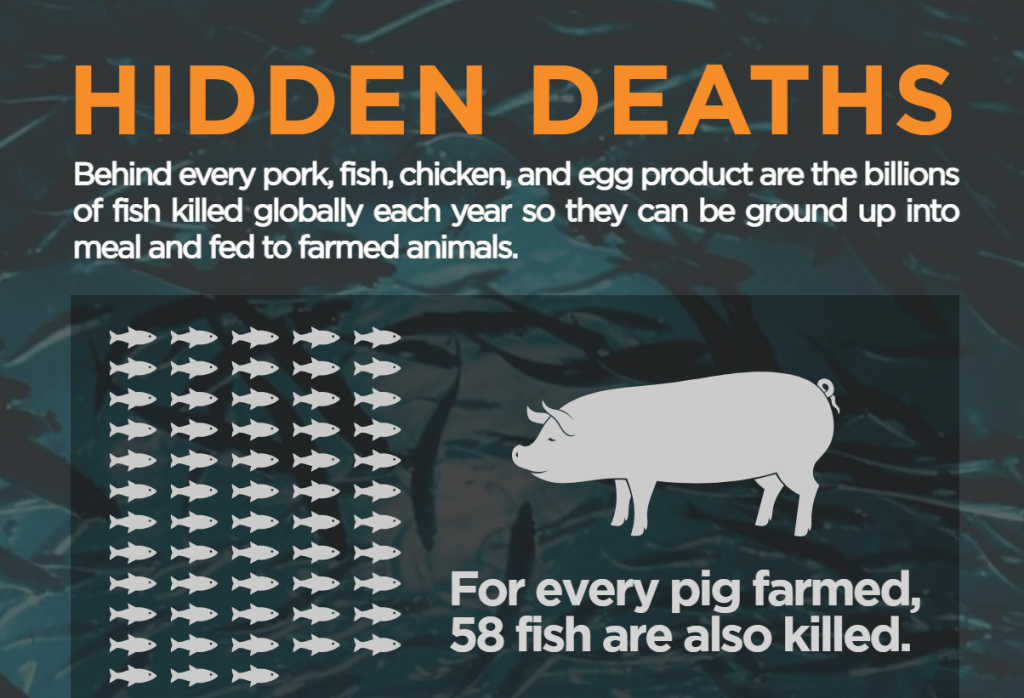
Where most of the suffering is

Faunalytics has the answers – small animals are consumed in larger quantities to feed humans and other farm animals:

As well as big countries, some of them are overlooked:

The takeaway: don't neglect most of the animals – fish and chickens in big countries:

AI and life-hacking tools for catching up on research

I wanted to share some AI and other life-hacking tools that I've found helpful for catching up on research, news, and more:

Recast AI: This tool summarizes and reads content aloud to you in a human voice. The downside is that it does cost.

Reading mode: Originally designed for accessibility, this tool is also useful for general purposes. It adds a button on your phone that reads text aloud in a human voice. While it doesn't summarize the text, I find this beneficial as I listen at every opportunity – whether I'm traveling by bus or train, doing house chores, or making food. It allows me to listen to the full text during these hours of the day. The upside: it's free.

Natural Readers: This tool reads texts aloud in a natural human voice of your choice, skillfully skipping parentheses. It's particularly useful for reading academic papers and can be a great aid for people with ADD or ADHD, as well as for others.

Additionally, I often listen to content from LinkedInUdemyCoursera, and sometimes Audible.

I'm nearing the completion of my Ph.D., but I believe that much of my learning has occurred in these small moments of free time.

Research tips

I've been asked for research tips, so here's my first one: seek advice from someone more senior than me! But in case you decide to ignore that tip, I'm happy to share a few others:

Work Hard: Understand that research is highly competitive. It's a "publish or perish" environment, and most papers don't get cited even once. Be the one who publishes! Push yourself more than 99% of other hard-working researchers.

Commit to Lifelong Learning: Take courses on platforms like Udemy, LinkedIn, Coursera, and others. Study hard skills, such as R programming, as well as soft skills, like networking, teamwork, and communication.

Stay Updated with AI: Use the latest versions of AI tools like Chat GPT, Jenni AI, and Penelope AI for research assistance. However, always adhere to the journal's guidelines regarding AI and double-check your sources for facts.

Be Willing to Pay for Knowledge: Recognize that the internet is moving towards a paid model. Knowledge is power now more than ever. It’s not spending – it’s an investment.

Join The EA Community: Get involved with communities like Effective Altruism, which are likely to engage with your research.

Utilize All Connections: Capitalize on both strong and weak ties in your professional network, as both groups were shown to be crucial.

Maintain a To-Do List: Write down all the people and organizations you want to share your papers with.

Self-Advocate: Remember, if you don't promote your work, no one else will. Write detailed thank-you emails to researchers you cited and include a link to your paper.

Seek Varied Advice: Get advice from professionals as well as family and friends. Trust other scientists and focus on collaboration.

Share Resources: Eventually, it doesn’t matter for the animals if you are the one publishing a novel study or another researcher you helped. Sharing with others encourages you to advance further since it levels the playing field in terms of knowledge.

Celebrate your progress: in both career and activism.

Grab the Opportunity: This is your chance to make a difference while expanding your knowledge and skills. Grab it!

Giving farm animals a name and a face

Our paper with Dr. Eliran Halali, "Giving farm animals a name and a face", has just been published! 📰 🌟 🎉 :

Key Highlights:

– Identifiable Victim Effect & Animal Advocacy: We explored how giving a farm animal a name and a face can boost animal advocacy among omnivores.

– The runaway calf: Participants were presented with stories of identified (with a name and a photo) vs. unidentified farm animal victims.

– Actual petition: A single identified runaway calf significantly increased both reported and actual animal advocacy.

– Actual donations: we further replicated the identifiability effect using real donations to save the runaway calf (calves) from slaughter and demonstrated it is limited to a single-identified victim.

– Mechanisms: We found that feelings of sympathy and ambivalence towards meat mediated the effect.

– In which conditions?: Concern, empathy, identification with animals, and ecological identity moderated it. Omnivores who scored high in concern and ecological identity, and low in empathy and identification with animals were more susceptible to the effect.

Researchers? Some research tools I think you would appreciate

Some research tools I think you would appreciate:

– Applying for a grant? Grantable will help you search for references, craft a narrative using your facts, figures, and style, and resize your text to keep to the word limit.

– Conducting a literature review? Use Jenni for autocompletion and citation finding, Consensus as a wiser alternative to Google Scholar, or Connected Papers to find similar papers to a seed paper and understand the connections between them.

– Writing your paper? Use editGPTWritefull, or Grammarly for proofreading.

– About to publish? Jane will help you find a journal. Actually, finding a journal should begin even before you start writing. A mismatch between the paper's and the journal's theme is perhaps the main reason for rejection. Avoid it by carefully selecting the journal in the first place. Penelope AI will assist you in ensuring that nothing in the submission process has been overlooked.